

 Many people have trouble sleeping once in a while, such as when they’re stressed or are interrupted by loud noises and other disturbances. Usually, however, the lack of sleep doesn’t last long, and therefore, it doesn’t have a significant impact on their lives. For others, however, trouble sleeping is par for the course, and as a result, they can often experience symptoms such as increasing daytime fatigue, trouble concentrating throughout the day, an increase in mood swings, and more. Fortunately, patients in Livonia, MI, can often find relief by making just a few simple changes to their sleep routine. In more severe cases, however, they may require more direct treatment, such as a custom sleep apnea appliance. (more…)
When You Treat Sleep Apnea: Surprising Things That Happen

When you decide to address your sleep apnea, instead of ignoring it, some magical things begin to happen! Well, okay, they’re not actually magical in nature but as you make the change from dealing with consistent nightly interruptions to suddenly enjoying the benefits that come with sleep apnea treatment, you might feel like there’s some serious magic going on. Sounds wonderful, right? Allow our Livonia, MI team to explain what some of this might look and feel like, so you realize coming in for care is probably something you should do today!
Should You Be Worried About Your Tendency To Snore?
 Your nightly habit of snoring can make you feel embarrassed, and it can frustrate your partner – it can also be a sign of sleep apnea. While not everyone who snores has sleep apnea, snoring is a common and recognizable symptom. If you suffer from this issue, it can affect your quality of life, and your overall health. Fortunately, you can count on support at your Livonia, MI sleep clinic for this problem, and for the problem of snoring. In cases where sleep apnea affects a patient, our practice can address the matter, and stop their health from worsening. Even if your snoring issues are not connected to sleep apnea, you can benefit from an appointment, so that the matter can be put to rest. (more…)
Scheduling A Sleep Visit: 2 Things To Stop Telling Yourself
 You probably need to schedule a sleep visit with us if you have been thinking that something might not be quite right with your nightly sleep! Are you someone who snores and you recently caught wind of the fact that this is not something that’s necessarily healthy for you (and that it’s also something a dental professional can help treat)? Maybe you have been reading up on sleep apnea and cannot believe what you’re seeing because it so closely describes you. Whatever the reason you think you should come in, if you haven’t done so yet, you may be falling victim to some seeds of doubt that cause you to skip picking up the phone instead. Consider some of these areas of doubt along with our Livonia, MI team, so you can quickly overcome them and come on in!
Oral Appliances For Sleep Apnea: The Questions You Want To Ask!

Of course, it’s one thing to hear that all you really need to get your sleep apnea under control may be an oral appliance. “Just a mouthguard?” you might think to yourself. “How easy! Wonderful!” While your initial feelings may be those of relief, we know that some amount of anxiety may follow when you realize you don’t really know a thing about these appliances. Is it going to feel okay (Hint: Yes, it will!), what type of appliance are you going to get, what if it feels sort of strange? Our Livonia, MI practice will be happy to answer all of these questions and more, so please take the time to come in for a sleep apnea treatment visit! For now, get a bit of a head start.
Sleep Problems And Those Annoying Morning Headaches
 When you’re dealing with morning headaches, it’s important to keep several things in mind. First, they’re not just there for no reason at all. Second, you should most certainly do something about them. Third, of course, the cause may be a bit shocking to you. Did you know that issues with your sleep health can cause this very uncomfortable symptom? If you’re experiencing head pain in the mornings (especially if it’s accompanied by other symptoms like a sore throat, fatigue, and moodiness), then you may need sleep apnea treatment. Where to go from here, you wonder? Our Livonia, MI practice has some initial details for you to consider!
2 Ways You’re Confusing Your Sleep Time

When you think about your sleep experience (or what you wish was your sleep experience, though you don’t seem to be having much success with falling into dreamland), you may feel confused. You get into bed, you lie there, and nothing happens. However, what you might be overlooking is the fact that you’re doing something to confuse your brain and your body. So, when your head finally hits the pillow and you close your eyes, you’re not drifting off quickly into the land of the unconscious! When you speak with our team for sleep apnea treatment, we can help you with lots of information and details specific to your experience. For now, let’s examine some common culprits.
Sleep Apnea: Get Started With 3 Easier Sleep Steps

Sleep apnea can feel like the type of thing that’s going to be with you forever. You may find it hard to believe that with some easy steps, you can typically get back to the sleep you once enjoyed (which may be hard for you to remember if you’ve been faced with this sleep disorder for quite a long time). Though you might assume easing back into restful sleep is going to be complicated, you may be able to do so with simple changes and sleep apnea treatment. The best way to find out more? Contact our Livonia, MI team and spend some time speaking with us soon!
Noticing Symptoms? Keep A Journal.

When you feel that you may have changes suggesting sleep apnea happening within your life, it’s a nice starting point. “Maybe this is why I’ve been feeling so tired,” you might think to yourself. However, you may not really feel certain regarding how to make use of this information. Should you come straight in to see us? Are you recognizing symptoms and just guessing that you may require help through sleep apnea treatment from our Livonia, MI practice? When you feel it’s early in the game and you’re not convinced it’s time to call just yet, one helpful solution (so that you can feel you show up to speak with us with some patterns to consider) is to keep a journal. Let’s explain!
How UARS Can Make It Harder For You To Feel Rested
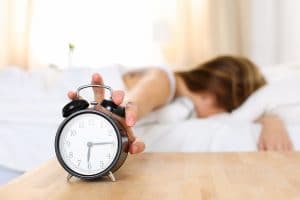 The symptoms that help people recognize a possible case of sleep apnea can include loud snoring, as well as choking or gasping noises during sleep. These symptoms are likely to attract your partner’s notice, which can lead to the decision to seek help from your Livonia, MI sleep clinic. Unfortunately, not all sleep disorders create such noticeable troubles. Upper airway resistance syndrome, or UARS, may become a problem, even if you do not snore. A person who suffers UARS may find that they feel less rested, and may wake at certain points throughout the night. You should know that this condition may be a warning that you are at risk for developing obstructive sleep apnea. (more…)